One of the most common questions we get asked at Hampshire Rewires is how much it costs to rewire a house.
The answer isn't always straightforward. Two houses with the same number of bedrooms can be completely different when it comes to the electrical work involved.
We've been carrying out house rewires for nearly six years and currently complete around 15–20 a year. Working across Romsey, Winchester, Southampton, Eastleigh and Chandler's Ford, we've come across all sorts of properties, each with their own challenges.
Here's what you can realistically expect when planning a house rewire.
How much should you budget for a full rewire?
For a typical three- or four-bedroom house, we're generally charging between £6,000 and £8,000 including VAT.
That's for an empty property with a fairly standard electrical installation.
If you're living in the house while we're rewiring it, we'd normally allow another £1,000, bringing the cost to approximately £7,000–£9,000 including VAT.
These are guide prices rather than fixed costs. We always prefer to look at the property and discuss exactly what the customer wants before giving a final quotation.
What do you get for that price?
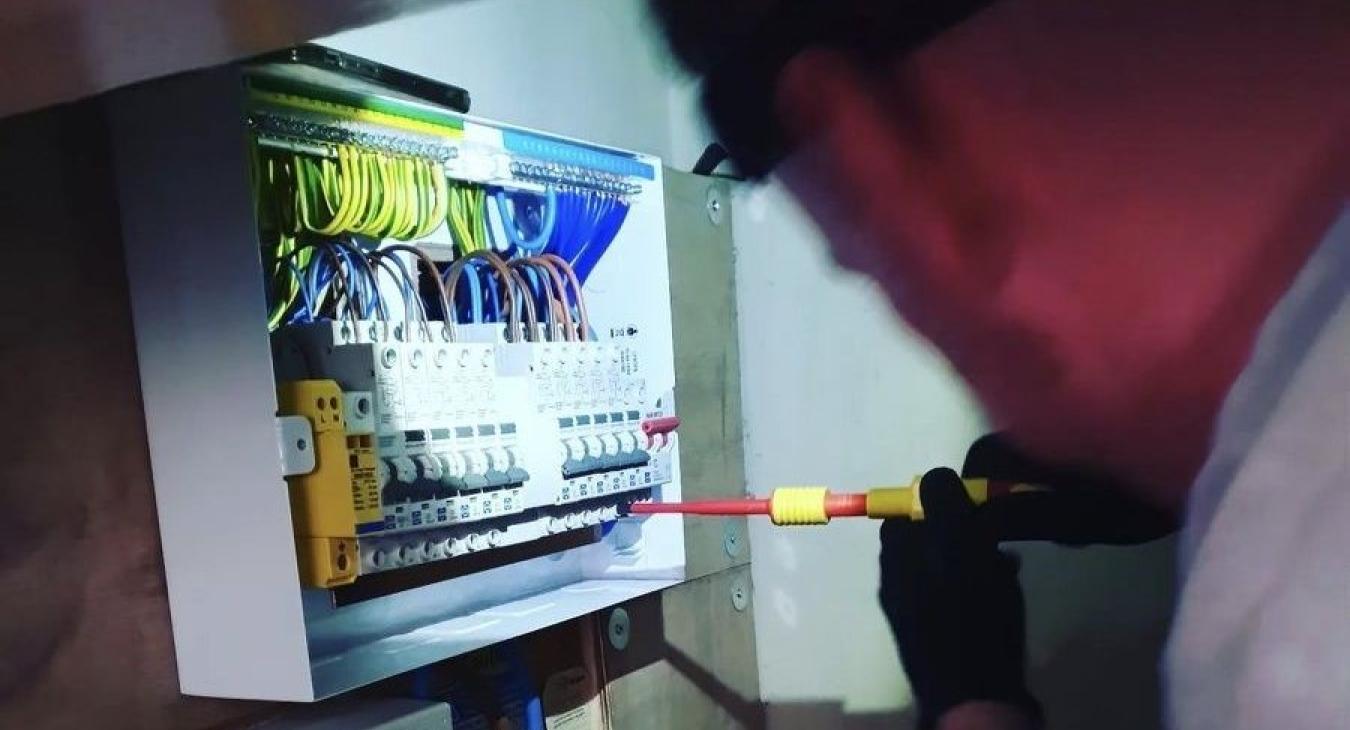
Our standard rewire includes a new consumer unit with RCD protection and surge protection, new wiring throughout the property, sockets, switches, lighting points and smoke alarms.
We include standard white plastic sockets and switches in our quotations.
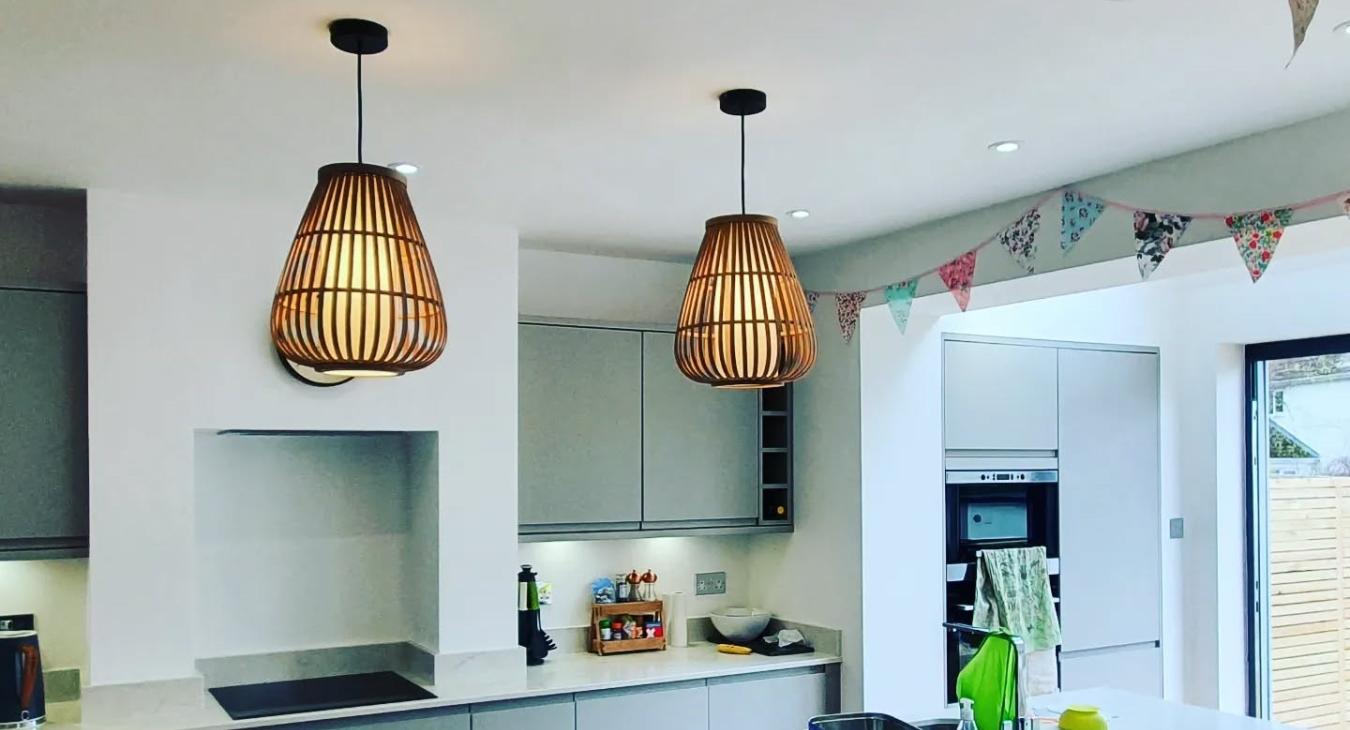
If you want brushed chrome faceplates, USB sockets or dimmer switches, that's absolutely fine, but there will be an additional cost.
The same applies if you're planning lots of downlights, additional sockets or a kitchen with several appliances requiring dedicated supplies.
Once the work is complete, we carry out the necessary electrical testing and provide certification. Hampshire Rewires is registered with NICEIC as a Domestic Installer.
Why can two similar houses cost different amounts to rewire?
This is something we come across regularly.
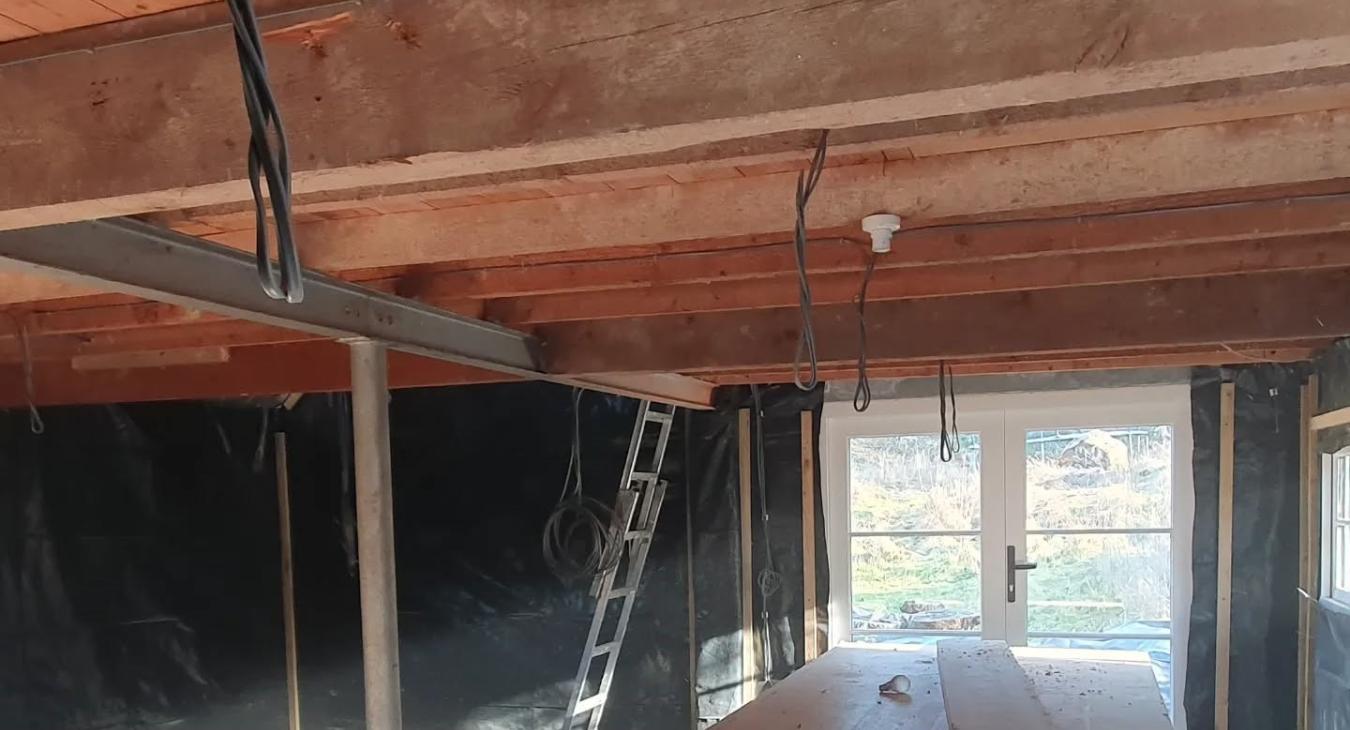
A three-bedroom house with timber floors, accessible floorboards and stud walls can be relatively straightforward to rewire.
Now compare that with another three-bedroom property that has concrete floors, solid walls and difficult access to the existing cables. The second property could take considerably longer, even though they're both three-bedroom houses.
The position of the consumer unit makes a difference too. If it's at one end of a long property, we might have some fairly lengthy cable runs to get everything back to the board.
We also come across floor voids that are already packed with pipework and existing cables, which can make getting new cables through more time-consuming.
Then there's the number of electrical points. Some customers are happy with a fairly basic installation, while others want multiple double sockets in every room, lots of downlights and additional kitchen circuits.
All these things affect the final price.
Is it more expensive if you're living in the house?
Yes, and there's a good reason for it.
When a house is empty, we can generally move from room to room without having to work around furniture and belongings.
In an occupied property, we have to take extra care protecting everything, moving around furniture and keeping disruption to a minimum.
That's why we normally allow approximately £1,000 extra for an occupied rewire.
We always ask customers to clear as much furniture and clutter as possible before we start. Ideally, beds should be dismantled where practical, and any furniture that needs to stay should be moved into the centre of the room.
It gives us more room to work and reduces the risk of anything getting damaged.
Can you stay in the house while it's being rewired?
You can, but personally, I wouldn't recommend it if you've got somewhere else you can stay.
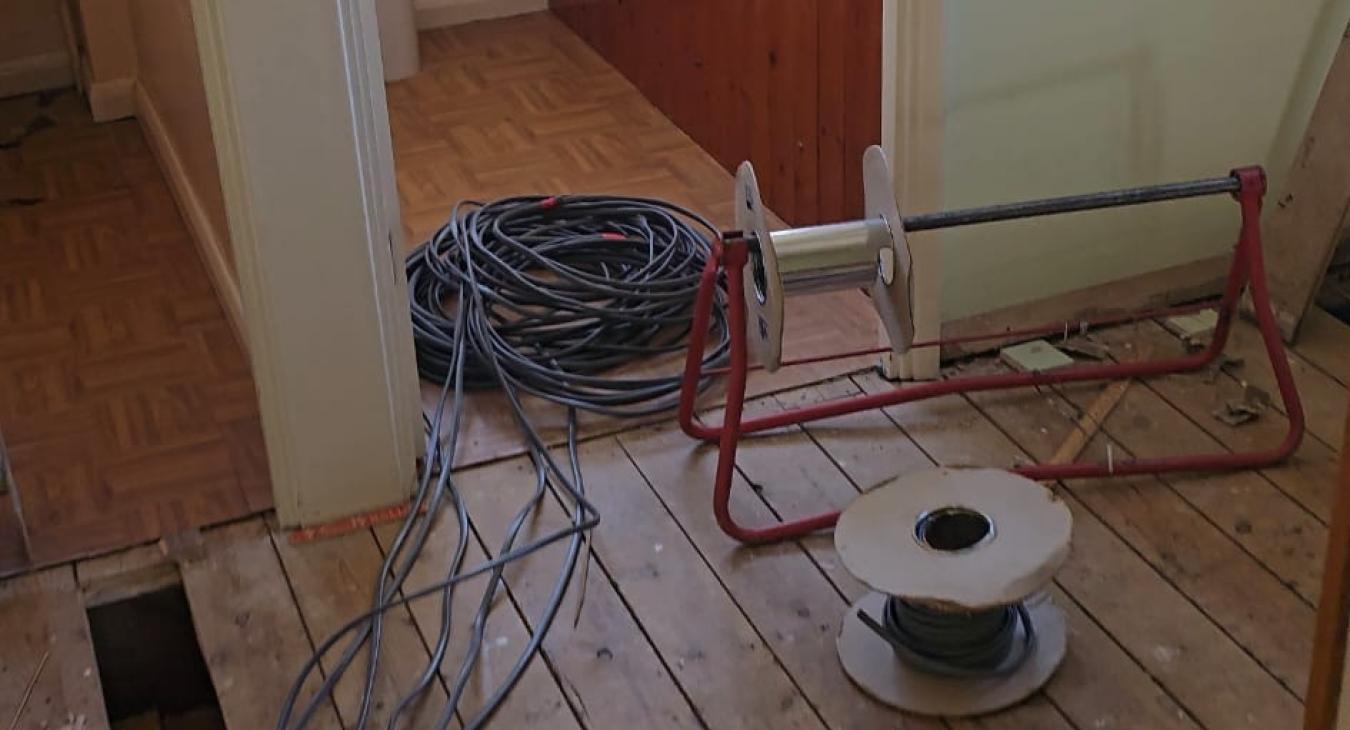
Rewiring is messy work. We're lifting floorboards, chasing walls, drilling and running new cables. There's going to be noise and dust, even when we're doing our best to keep everything under control.
If you're living in the property, we'll try to keep your electricity on for as much of the job as possible.
However, there will be times when we need to disconnect existing circuits, particularly where sockets and switches are being replaced in the same locations.
That means you might lose power to certain rooms while we're working.
We always try to minimise the inconvenience, but it's important customers understand that a full rewire is a fairly disruptive job.
How long does a house rewire take?
For a standard three- or four-bedroom house, we can generally complete the electrical work in up to five working days.
That depends on the size of the property, how many electricians we have working on site and how straightforward the installation is.
Some properties take longer, particularly where access is difficult or there's a lot of additional electrical work involved.
We'll discuss the expected timescale before starting so you know what to expect.
What happens to the walls after rewiring?
This is something worth thinking about before the work starts.
To install new cables, we often need to chase channels into the walls. Once the cables are installed, those channels will need filling.
We can offer a basic backfill service at an additional cost, but this isn't a finished plaster surface.
Alternatively, you can arrange for a plasterer to come in behind us and make good the walls properly.
We discuss this when quoting so there aren't any surprises once the electrical work is finished.
Does a house need rewiring just because it's old?
No, not necessarily.
We've looked at older properties where the wiring has already been replaced at some point, and others where the installation is still in reasonable condition.
It's not simply about the age of the house. It's about the condition of the cables and the electrical installation itself.
Wiring that's 30 years old or more may be worth assessing for modernisation, but that doesn't automatically mean it needs ripping out and replacing.
If you're unsure about the condition of your electrics, an Electrical Installation Condition Report (EICR) is a good starting point.
That allows us to inspect and test the installation and identify whether any improvements are needed.
We wouldn't advise somebody to spend thousands on a full rewire if the existing installation is still satisfactory and doesn't need replacing.
How do we quote for a house rewire?
I prefer to visit the property rather than give somebody a price over the phone without seeing what's involved.
We'll walk around the house together, discuss what you're planning and look at the existing electrical installation.
I'll also offer advice on things like socket positions, lighting and anything else worth considering while the house is being rewired.
I normally ask customers to put together a plan showing how many sockets, switches and lighting points they want in each room.
Once I've got that information, I can work out a quotation based on what they actually need.
If they're happy with the price, we'll go through everything again before booking the work in.
It's much better to get everything agreed beforehand than to start changing things halfway through the job.
Thinking about rewiring your house?
If you're planning a renovation, buying an older property or simply want to know whether your existing wiring needs replacing, we're happy to have a look and offer advice.
Hampshire Rewires carries out full and partial house rewires across Romsey, Winchester, Southampton, Eastleigh, Chandler's Ford and surrounding Hampshire areas.
We can visit your property, talk through your plans and provide a quotation based on the work involved.
NICEIC Registered Domestic Installer